

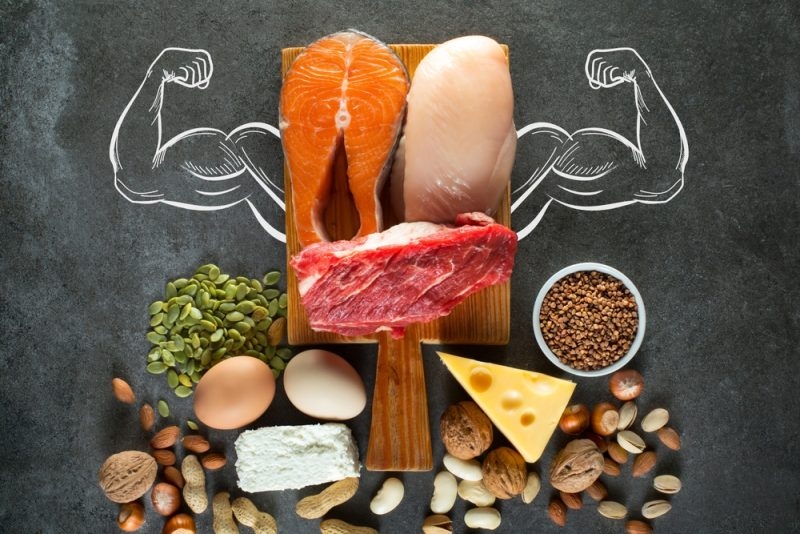
Sweating through an intense gym session leaves your body exhausted and hungry for real nourishment. Selecting the right post-workout foods is essential to repair micro-tears in muscle fibers and replenish depleted glycogen reserves. According to clinical sports nutrition studies published in the Journal of the International Society of Sports Nutrition, consuming a balanced mix of protein and carbohydrates within 45 minutes of training increases muscle protein synthesis by up to 50 percent. Ignoring your post-training nutrition can lead to fatigue, persistent soreness, and delayed fitness progress.
Taking control of your post-exercise routine should feel satisfying and revitalizing after every workout session. You deserve evidence-based guidance on macronutrient ratios, fast-digestion sources, and meal prep ideas so your hard work pays off.
In this comprehensive guide, we explore the biology of post-workout muscle recovery, essential protein and carbohydrate pairings, and meal ideas. We break down what to eat after a workout for muscle growth to help you reach your physical peak.
Exercise exerts intense physical stress on your cellular structures and consumes stored fuel. Refueling correctly provides the foundational raw materials required to rebuild stronger muscle tissue.
Physical training causes microdamage to skeletal muscle proteins. Consuming high-protein post-workout meals supplies vital amino acids like leucine, which directly trigger tissue repair and lean muscle development.
Your body relies on glycogen stored in liver and muscle cells to power intense lifting or cardio sessions. Eating complex carbohydrates rebuilds these fuel reserves, preventing post-workout fatigue and sluggishness.
Selecting high-quality macronutrients optimizes recovery and supports long-term strength gains across every fitness discipline.
Combining proteins and carbohydrates into balanced dishes creates effective muscle-gain meals for busy daily schedules.
Here is a side-by-side look at how macronutrient needs shift based on your primary training objectives:
| Training Goal | Protein Focus | Carbohydrate Focus | Healthy Fat Focus |
| Muscle Building | High (30 to 40 grams) | High (40 to 60 grams) | Low to Moderate |
| Fat Loss | High (35 to 45 grams) | Low to Moderate (20 to 30 grams) | Low |
| Endurance Recovery | Moderate (20 to 25 grams) | Very High (60 to 80 grams) | Low |
| General Fitness | Moderate (25 to 30 grams) | Moderate (30 to 40 grams) | Moderate |
Maximizing your fitness achievements requires a smart approach to post-exercise nutrition. Throughout this guide, we evaluated how consuming the right balance of proteins and carbohydrates accelerates tissue repair and replenishes depleted glycogen stores. We analyzed top nutrient choices, meal structures, and tailored macronutrient ratios for muscle growth, fat loss, and endurance recovery. Fueling your body correctly transforms hard gym efforts into visible physical gains while reducing soreness and fatigue.
Building a strong, healthy body should feel sustainable and deeply rewarding every day. Equipping your daily routine with nutrient-dense meals, proper hydration habits, and smart recovery strategies sets you up for long-term physical success. Take full control of your fitness journey today, optimize your post-workout nutrition, and unlock your true potential! Discover expert health tips and daily wellness insights at MenBest.
You should aim to consume a balanced meal within 45 to 60 minutes after finishing your exercise session. This timeframe is often called the anabolic window, where cells absorb nutrients more efficiently to kickstart muscle repair and glycogen replenishment.
Yes, protein shakes offer a convenient and fast-digesting alternative when whole food meals are not immediately accessible. Combining whey or plant protein powder with milk or a banana provides the necessary amino acids and carbohydrates required to initiate immediate muscle recovery.
You should drink approximately 16 to 24 ounces of water for every pound of body weight lost through sweat during exercise. Adding electrolyte powder or a pinch of sea salt helps restore sodium and potassium balances lost through heavy sweating.
While healthy fats are essential for overall health, you should keep fat intake relatively low immediately after a workout. Dietary fats slow down digestion, which delays the rapid absorption of vital proteins and carbohydrates needed for quick recovery.
Plant-based proteins effectively support muscle growth when you consume a varied blend of sources like pea, rice, and soy. Combining different plant proteins ensures you receive all essential amino acids needed to stimulate muscle protein synthesis efficiently.
This content was created by AI