

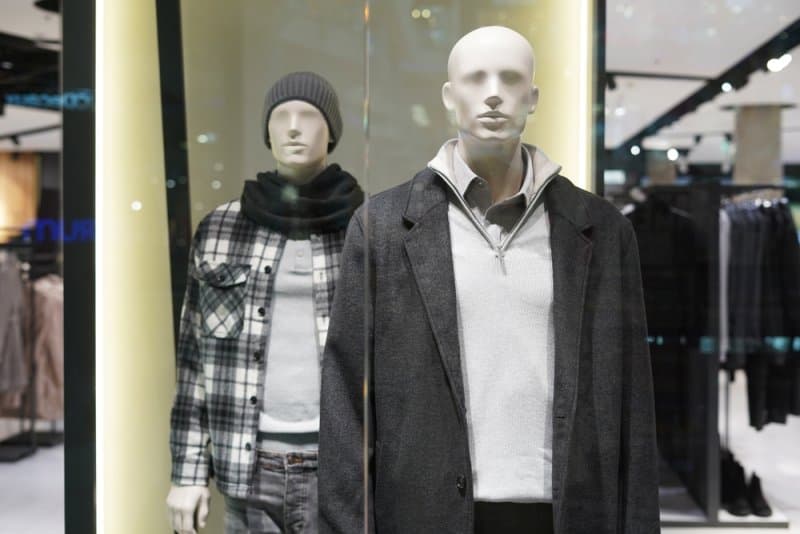
Mastering layering isn’t about piling on everything you own. It’s about picking pieces that fit well and make sense together, especially when mornings are cold and afternoons warm up. A simple combo—a tee, an overshirt, then a jacket—can look sharp as long as you get the proportions right.
But if you get lazy with your choices, you’ll end up feeling bulky and stiff. Fit, fabric, color, and the order you layer your clothes all matter. The goal? Stay comfortable, look sharp, and move easily. We’ll walk through some practical layering rules, seasonal pairings, and outfit ideas that look smart but not overdone.
A good men's layering guide starts with three functional layers, although not every outfit needs all three.
The base layer is what will be in contact with your body, the middle layer will provide warmth and/or color, and the outer layer will help keep you protected from the wind, rain, and colder weather. It should be clear that each of the pieces has a function in the construct.
For example, a white T-shirt under a navy overshirt and a charcoal coat creates contrast without looking busy. That's enough.
One of the most useful men's clothing layering tips is to check the fit of the complete outfit, not just each item individually. A sweater that fits perfectly over a T-shirt may feel tight beneath a winter coat.
Keep sleeves comfortable, shoulders aligned, and hems visible only when the difference looks intentional. Thin inner layers usually work better under structured jackets, while heavier shirts can sit comfortably beneath roomier outerwear.
Also Read: Fashion Tips for Short Men for A Charming Appearance
The best men's layering outfits depend on where you're going, the temperature, and how formal you need to look.
Smart casual layering works best when relaxed pieces meet more structured ones. Try a crew-neck T-shirt, an unbuttoned Oxford shirt, tailored chinos, and clean leather sneakers. For colder temperatures, swap out the overshirt for a lightweight blazer.
Another option is a fine-knit sweater over a collared shirt, paired with dark jeans and Chelsea boots. These combinations look deliberate without feeling stiff.
For smart casual dressing, avoid stacking several competing patterns. Let one item stand out; keep the rest quiet.
| Occasion | Base layer | Middle layer | Outer layer |
|---|---|---|---|
| Office | Oxford shirt | Fine-knit sweater | Wool coat |
| Weekend | Plain T-shirt | Flannel overshirt | Denim jacket |
| Dinner | Fitted crew-neck tee | Textured cardigan | Structured jacket |
| Outdoor activity | Moisture-wicking tee | Fleece | Weather-resistant shell |
| Cold-weather commute | Thermal top | Wool sweater | Insulated coat |
These men's layering outfits are starting points, not strict rules. Swap fabrics according to your climate and personal style. A wool coat may suit a city commute, while a lightweight shell is more practical in wet weather.
How to coordinate layers without getting “caked,” all about controlling the volume of the garments, how they fit and how many visible layers you add.
Bulky outfits often happen when several thick garments compete for space. A chunky hoodie under a thick sweater and a narrow jacket will bunch around the arms, shoulders, and waist.
Instead, combine a thin base with one substantial middle layer and an outer garment designed to accommodate it. Choose clean shoulder seams, sleeves that move freely, and trousers that balance the upper half.
A practical rule: add warmth through fabric performance rather than adding more garments.
It's easier to layer if there is some obvious "connection" between the pieces, i.e., the colors are similar. Neutral tones like black, navy, gray, olive, beige, and white are versatile to mix. If a costume appeals to you for more color, add one accent color.
Bright colors are not always necessary for the creation of interest, as texture will do. For example, a smooth T-shirt from cotton, a ribbed knit sweater, and a suede jacket are different surface materials but can be used in combination.
Try this simple comparison:
| Outfit choice | Likely result |
|---|---|
| Three thick, tight layers | Restricted movement and visible bunching |
| Thin base, medium knit, roomy coat | Cleaner shape with warmth |
| Several loud patterns | Visually crowded outfit |
| Neutral colors with mixed textures | More depth without excess detail |
Don't miss: How to Build an Affordable Minimalist Wardrobe for Men
Winter layering should trap warmth while allowing moisture to escape, so fabric selection matters as much as the number of garments.
Start with a thermal base layer when temperatures are low. Merino wool or synthetic moisture-wicking fabric can help manage sweat; a wool sweater or fleece adds insulation, while a suitable coat protects against wind and precipitation.
Cotton works well for casual indoor layers, but it is less useful as a base during strenuous activity in cold, wet conditions because it retains moisture. Gloves, scarves, and warm socks also matter. Keep the outfit practical.
Spring and fall call for lighter, removable pieces. A long-sleeve tee under an overshirt or a polo beneath a lightweight bomber provides flexibility when the day warms up.
Check the forecast before leaving. In the morning a heavy winter coat can feel nice outside, but later, it can be cumbersome when inside. Adjusting the temperature should be a breeze, not a hassle.
Switching outfits becomes easier and you won't have to buy so many clothes when you have a few clothes that work well together.
At the beginning, have a couple of good and safe essentials — neutral t-shirts, an Oxford shirt, a fine-knit sweater, an overshirt, a versatile jacket, and a weather-appropriate coat. Select pieces to stack, not individually.
Test before buying with existing clothes. Check sleeve room, collar placement, hem length, and whether the outer layer closes comfortably. A wardrobe works better when pieces combine easily.
Don't Miss: 3 Winter Outfits for Men Built Around One Stylish Coat
Start with a comfortable base, add warmth or a bit of texture, then finish with the right outer layer for the weather. Make sure every piece fits and that colors make sense together—don’t let thick fabrics fight for space in your outfit.
The best layered looks feel easy, not like you’re trapped under ten sweaters. Build around basics you love, try combinations before adding new pieces to your closet, and tweak your outfit as the weather changes. Layering should help you get dressed faster and feel confident all day.
Yes. Wear clothes made of breathable fabric that are lightweight, loose, and can be easily taken off, like overshirts. Steer clear of tight-fitting or heavy knits.
If the length difference seems deliberate, it can. Tightness of reveal in a small area generally will be cleaner looking than a long shirt falling away loosely from the sweater.
Sure, but change the scale! Color coordination between the shirt and overshirt and keeping the rest of the ensemble simple are important with a fine striped shirt and a large checkered overshirt.
Large rooms may be okay if they allow you enough space to move around without feeling constrained. Maintain a balance between the fit and loose areas; at least one is more fitted to maintain balance.
Temperature and preference determine how many layers are ideal for comfortable indoor wear, so typically two layers are sufficient. Have extra for air-conditioned or cold offices.
This content was created by AI